
Managed Service Providers (MSPs) have become one of the fastest-growing channels for technology companies looking to expand their business. From cybersecurity platforms and cloud providers to Microsoft partners, SaaS vendors, backup solution providers, networking companies, telecom providers, compliance consultants, and AI software developers, thousands of businesses rely on MSPs to introduce their products and services to end customers. As the MSP ecosystem continues to grow, so does the competition among vendors seeking to build meaningful channel relationships.
Many organizations begin their outreach with purchased lead lists containing company names, websites, employee counts, and contact details. While these databases can be useful for identifying potential prospects, they rarely explain what an MSP actually does, where it is investing, which technologies it already supports, or whether it is currently in a growth phase. Without this context, sales teams often spend valuable time contacting companies that may have little interest in their solutions.
This is where human-led MSP intelligence creates a significant competitive advantage. Rather than collecting basic contact information, experienced researchers build detailed business profiles that reveal an MSP's capabilities, technology partnerships, growth signals, hiring activity, industry focus, and business priorities. The result is intelligence that enables technology companies to approach the right MSPs with relevant conversations instead of generic sales pitches.
Human-Led Research Creates Business Intelligence, Not Just Contact Lists
Every technology company can purchase an MSP contact database within minutes. However, contact information alone does not explain whether a business represents a genuine opportunity. Human-led research goes beyond names and email addresses by examining how an MSP operates, which services it delivers, what industries it serves, and where it appears to be investing. This additional layer of information transforms raw data into actionable business intelligence that sales, marketing, and partner teams can immediately use.
A comprehensive MSP profile typically begins with verified company information such as headquarters, employee range, estimated revenue, founding year, and geographic presence. Researchers then add evidence-backed insights into managed IT services, cloud offerings, cybersecurity capabilities, Microsoft technologies, compliance expertise, customer industries, vendor partnerships, hiring activity, and recent business developments. Every significant finding is supported by publicly available evidence, giving decision-makers greater confidence in the quality of the information.
The value of this approach is not limited to cybersecurity vendors. Microsoft solution providers can identify MSPs expanding their Azure practices. Cloud companies can locate businesses investing in migration services. SaaS vendors can prioritize digitally mature MSPs. Networking manufacturers can identify infrastructure specialists, while compliance platforms can focus on MSPs serving regulated industries. Human-led intelligence allows every technology company to understand not only who an MSP is, but also why it may be an ideal business partner.
Better Intelligence Leads to Better Conversations and Higher Conversion Rates
Successful B2B sales rarely begin with a product demonstration. They begin with understanding the customer's business. When sales representatives know that an MSP has recently launched managed detection services, expanded into healthcare, hired Microsoft engineers, or formed new technology partnerships, they can tailor every conversation around those developments. This level of personalization demonstrates preparation and builds credibility from the very first interaction.
Human-led MSP intelligence also helps organizations prioritize opportunities instead of treating every prospect equally. Growth indicators such as employee expansion, new office locations, customer wins, security investments, marketing activity, and active recruitment often signal companies that are investing in their future. These businesses are generally more receptive to exploring new products, strategic partnerships, and innovative technologies than organizations showing little recent activity.
Marketing teams also benefit from this intelligence. Rather than sending identical campaigns to thousands of companies, they can segment MSPs based on specialization, technology stack, compliance expertise, or industry focus. Campaigns become more relevant, engagement rates improve, and sales teams receive warmer, more qualified opportunities. Human research therefore strengthens every stage of the revenue generation process, from prospect identification to partnership development.
Related Research Reports
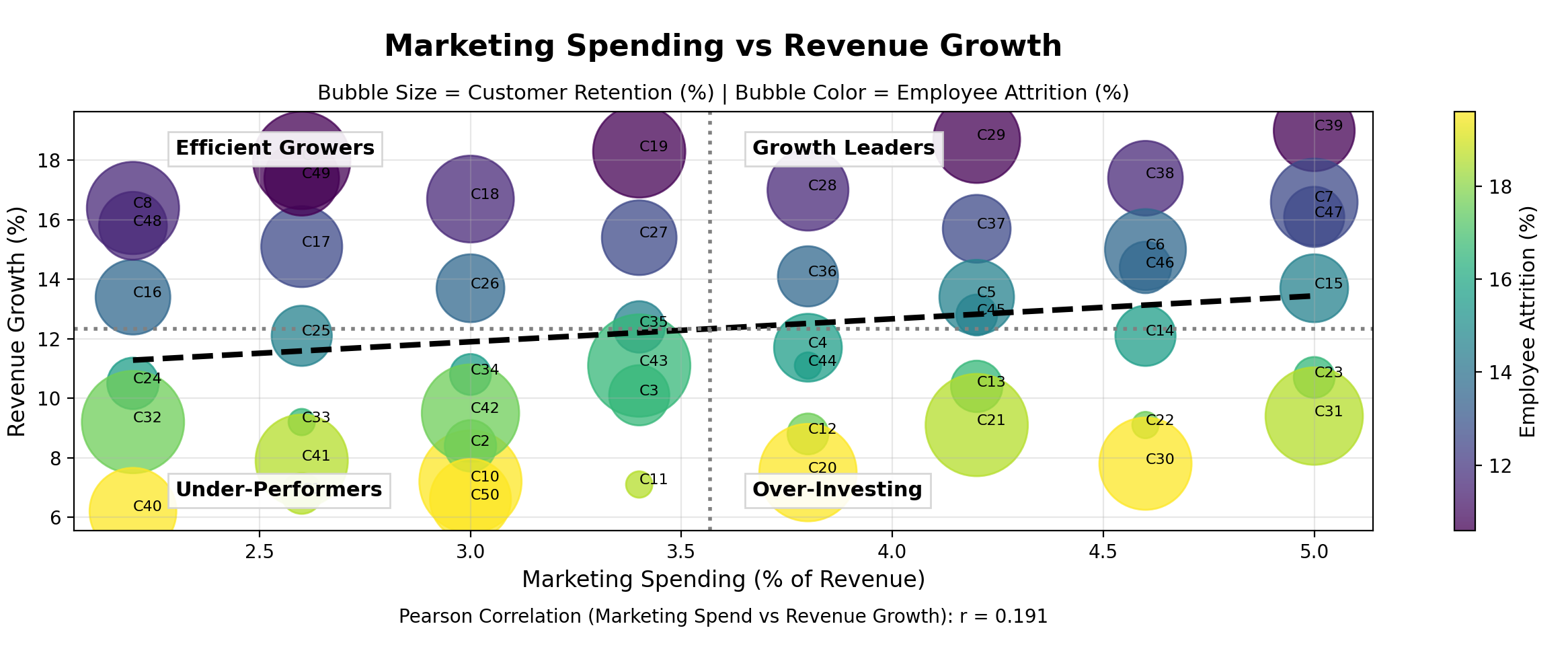
A Mathematical Model for Predicting Revenue Growth in Indian IT Services Firms Using Marketing Spending, Customer Retention, and Employee Attrition Metrics
This study develops a mathematical model to predict revenue growth in Indian...
Read Report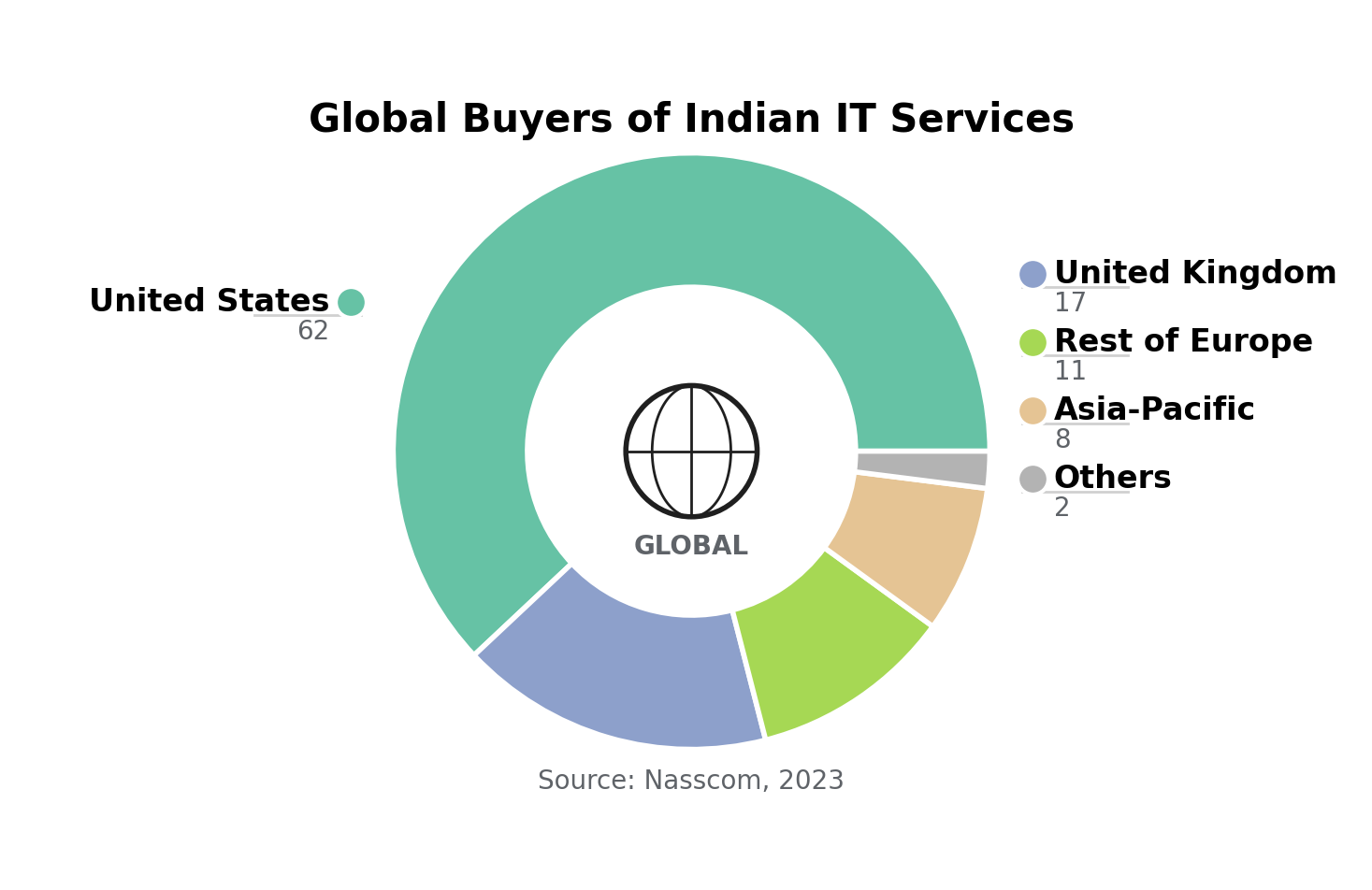
Examining the Association Between Customer Retention Rates and Profitability in Indian IT Outsourcing Firms
This study investigated the relationship between customer retention rates and profitability in...
Read ReportHuman Expertise and AI Together Deliver the Best Results
Artificial intelligence has dramatically improved the speed at which organizations can collect and organize information. AI can summarize websites, extract key topics, categorize services, and assist researchers in processing large amounts of public data. These capabilities make AI an excellent productivity tool, especially when thousands of MSPs need to be reviewed efficiently.
Despite these advances, AI still depends on the quality of the information it receives. Human researchers remain essential for verifying facts, evaluating conflicting information, interpreting business context, and documenting reliable evidence. They recognize subtle growth signals, identify meaningful partnership announcements, assess technology maturity, and distinguish between outdated marketing claims and current business priorities. Human judgment adds the accuracy and confidence that automated systems alone cannot consistently provide. The most valuable MSP intelligence combines the strengths of both approaches. Human researchers gather, verify, and validate business information, while AI assists with organizing insights, generating summaries, identifying patterns, and supporting faster analysis. This combination produces richer intelligence than either humans or AI could create independently. For technology companies seeking long-term MSP relationships, that balanced approach delivers a measurable competitive advantage.
Winning new MSP customers is no longer about having the largest contact database. It is about understanding which MSPs are growing, what technologies they support, which industries they serve, who makes purchasing decisions, and what business challenges they are trying to solve. Companies that invest in deeper intelligence consistently make better targeting decisions and achieve more productive sales conversations. Human-led MSP intelligence enables technology vendors to replace mass outreach with informed engagement. Instead of relying on assumptions, sales and marketing teams work with verified evidence that helps them prioritize accounts, personalize communication, and identify the opportunities most likely to convert into long-term partnerships. Every research field contributes to a clearer understanding of an MSP's business, making outreach more relevant and significantly more effective. As the MSP ecosystem continues to evolve, organizations that combine verified human research with AI-assisted analysis will be better positioned to identify emerging opportunities, strengthen partner relationships, and accelerate sustainable growth. In today's competitive technology market, intelligence has become just as valuable as the product itself—and the companies that understand their prospects best are often the ones that win the business.