
Every B2B technology company wants predictable growth, but achieving that growth requires more than simply increasing sales activity. Companies invest heavily in sales teams, marketing campaigns, prospecting tools, and business development initiatives, yet many still struggle to generate consistent results. The reason is often not a shortage of potential customers but a lack of clarity about where to focus. Before sending emails, making calls, or scheduling meetings, every company must answer one fundamental question: Who should we pursue next, and why? The answer determines whether sales efforts become productive investments or expensive exercises with limited returns.
The traditional approach to sales prospecting has focused heavily on quantity. Companies purchase large databases, collect thousands of contacts, and measure success by the number of prospects entered into their sales pipeline. However, more contacts do not automatically create more customers. A database can tell you which companies exist, but it rarely explains which companies are most likely to need your solution, have the ability to purchase it, or are currently experiencing challenges that your product can solve. Modern B2B sales requires a shift from collecting more information to understanding which information actually matters.
The future of successful sales prospecting will depend on intelligence-driven decisions rather than volume-based outreach. Companies must evaluate multiple business signals to understand prospect quality before investing valuable sales resources. Factors such as industry alignment, company growth, technology adoption, business priorities, operational challenges, and decision-maker relevance can provide deeper insight into whether an organization represents a genuine opportunity. The goal is not to contact every possible prospect but to identify the prospects that deserve attention first. This approach allows sales teams to work with greater confidence, create more relevant conversations, and improve the probability of turning opportunities into customers.
The Problem Is Not Finding Companies — It Is Identifying the Companies Worth Pursuing
Today, finding companies is easier than ever before. Businesses have access to countless databases, online directories, professional networks, and research tools that provide information about millions of organizations worldwide. However, having access to more companies does not necessarily solve the sales challenge. The real difficulty lies in separating high-potential opportunities from companies that may never become customers. Without proper analysis, sales teams often spend hours contacting businesses that may not have the right needs, budget, timing, or business environment to benefit from their solutions.
A strong Ideal Customer Profile (ICP) is the foundation of effective prospecting. However, many companies define their ideal customer too narrowly using basic characteristics such as industry, location, or employee count. While these factors are useful, they do not provide the complete picture. Two companies in the same industry and geographic region can have completely different levels of opportunity. One may be expanding rapidly, investing in technology, and actively searching for solutions, while another may have no immediate need or purchasing capability.
The most effective sales organizations understand that prospect selection should happen before outreach begins. Instead of giving sales teams thousands of unqualified companies, they provide carefully prioritized accounts supported by research and reasoning. A smaller group of highly relevant prospects can often create better results than a massive database with limited context. When sales representatives understand why a company has been selected, they can create more personalized conversations and approach prospects with greater confidence. The objective is not simply increasing sales activity but improving the quality of every sales interaction.
Why Modern B2B Sales Requires Intelligence, Not Just Data
Data and intelligence are often used interchangeably, but they serve very different purposes in sales. Data provides facts: company names, websites, employee numbers, locations, industries, and contact information. While these details are necessary, they only represent the starting point. Intelligence goes further by explaining the meaning behind those facts. It helps answer why a company may be a strong prospect, what business challenges it may face, and why a sales conversation could be valuable at a particular moment.
Modern B2B prospecting requires analyzing multiple business signals together rather than relying on individual data points. A company's technology environment, hiring activity, service offerings, market positioning, customer segments, partnerships, growth indicators, and operational maturity can reveal important patterns. No single factor guarantees a successful sale, but when multiple signals align, companies can make more informed decisions about where to invest their resources. This approach transforms prospecting from a guessing exercise into a structured process based on evidence.
Artificial intelligence and advanced research methods are making it possible to analyze large amounts of business information faster than ever before. However, technology alone is not the complete answer. The real value comes from combining automation with thoughtful analysis to identify meaningful opportunities. The future of B2B sales will belong to companies that can interpret information effectively and convert it into practical sales decisions. The competitive advantage will not come from having the largest collection of company records but from understanding which companies matter most.
Related Research Reports
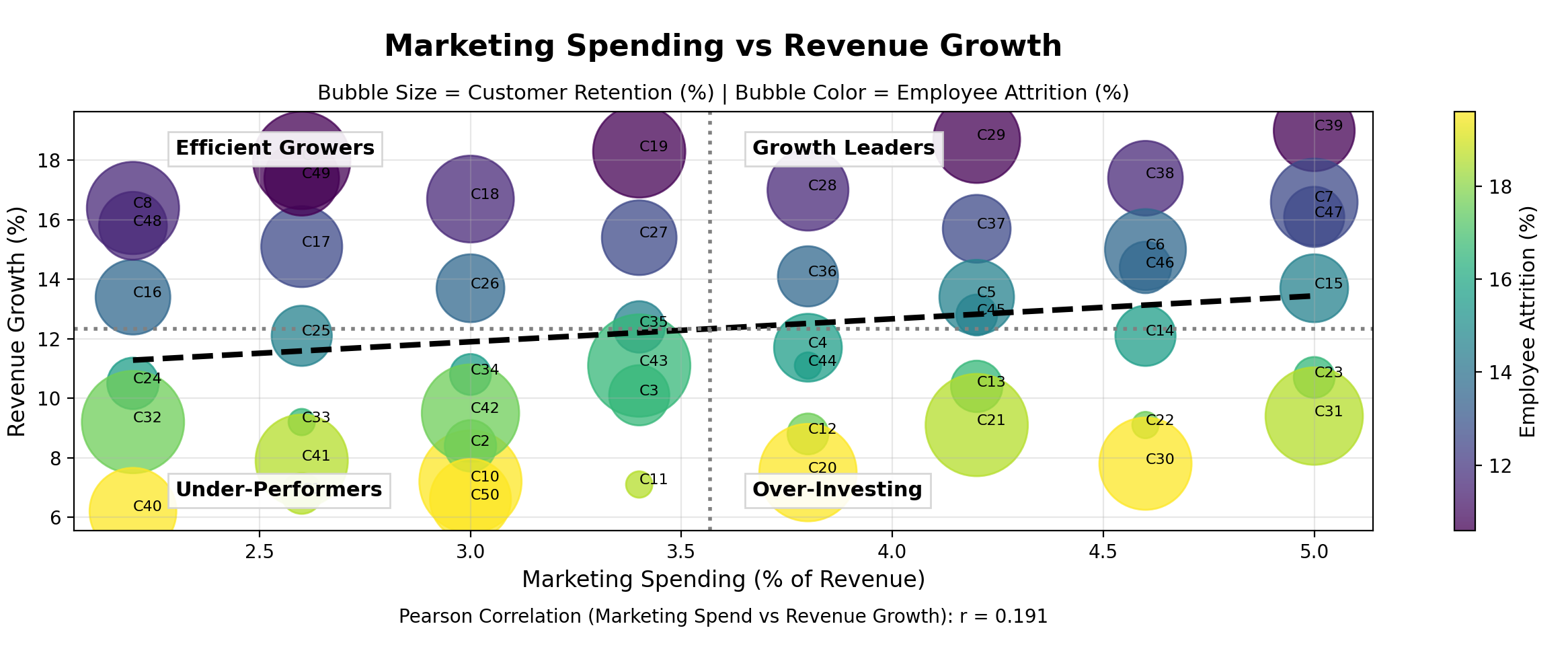
A Mathematical Model for Predicting Revenue Growth in Indian IT Services Firms Using Marketing Spending, Customer Retention, and Employee Attrition Metrics
This study develops a mathematical model to predict revenue growth in Indian...
Read Report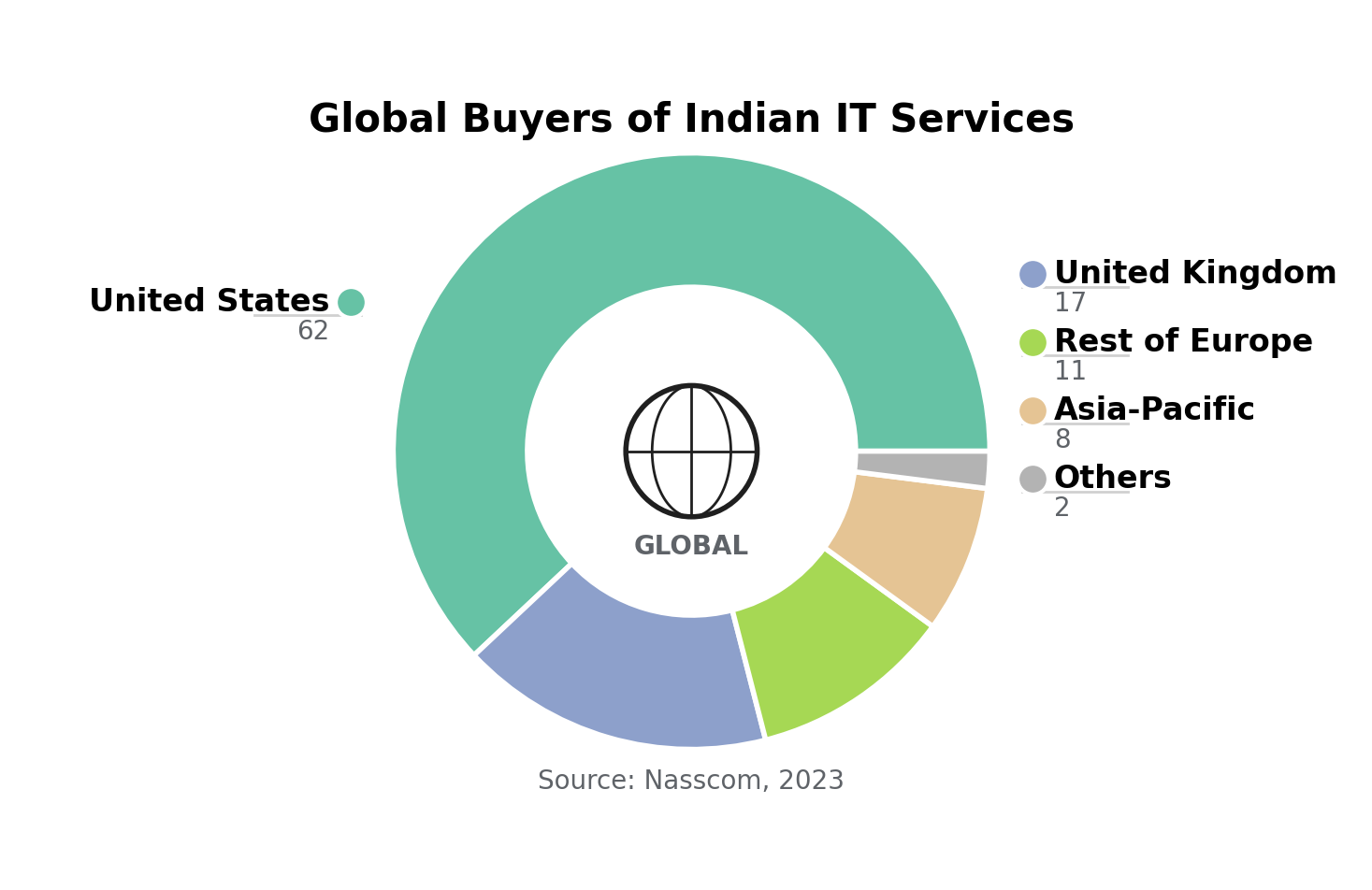
Examining the Association Between Customer Retention Rates and Profitability in Indian IT Outsourcing Firms
This study investigated the relationship between customer retention rates and profitability in...
Read ReportThe Future of Sales Prospecting Is Prioritizing Opportunities Before Competitors Do
Sales teams operate with limited time and resources. Every hour spent researching a company, preparing outreach, conducting meetings, and following up represents an investment. When those efforts are directed toward the wrong prospects, companies lose valuable opportunities to engage with businesses that may have been a better fit. This is why prospect prioritization has become one of the most important aspects of modern sales strategy. The ability to identify promising opportunities before competitors do can create a significant advantage in competitive markets.
Prioritization also improves the quality of sales conversations. When a sales team understands why a company has been identified as a potential opportunity, they can approach discussions with greater relevance and preparation. Instead of sending generic messages, they can focus on specific business situations, challenges, and potential outcomes. This creates a more consultative sales experience where prospects feel understood rather than simply targeted. Better preparation leads to stronger relationships and increases the likelihood of meaningful engagement.
Ultimately, successful B2B sales will not be defined by the number of companies a business can contact. It will be defined by how effectively a company can identify the right opportunities and explain why they matter. The question every technology company must answer is simple but powerful: Who should we pursue next, and why? Organizations that develop the ability to answer this question will build stronger pipelines, improve sales efficiency, and create sustainable growth by focusing their efforts on prospects with the greatest potential.